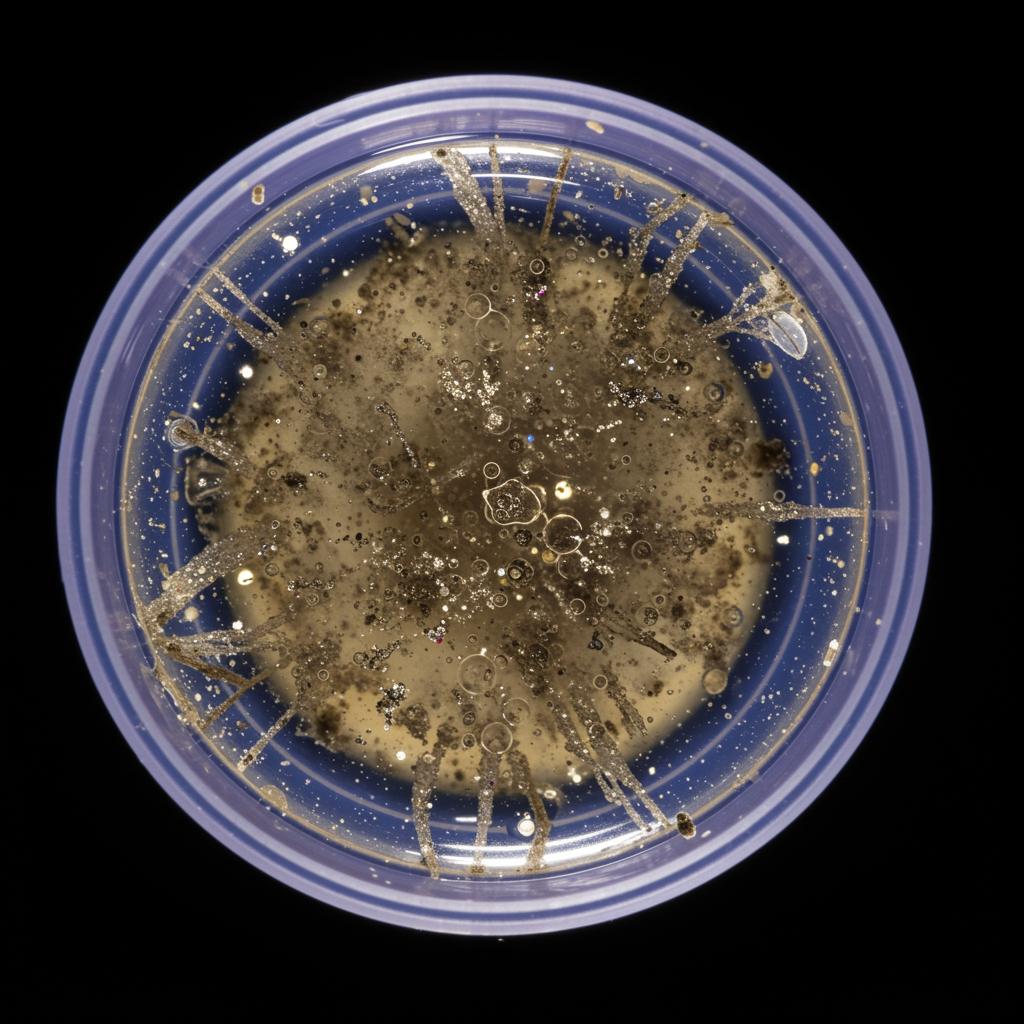
Tap water is, on average, cleaner than bottled water for microplastics. But "cleaner" doesn't mean clean. The Orb Media / University of Minnesota global study found microplastics in 83% of tap water samples across 14 countries, with the highest contamination rates in the United States. Here's how they get there, why standard treatment misses them, and what you can do without spending thousands on a whole-home system.
Pillar guide: for the broader picture on contamination sources, health research, and regulation, read Microplastics in Drinking Water — The Complete Guide.
The numbers
| Region | % samples positive | Average particles / L |
|---|---|---|
| United States | 94% | ~9.6 |
| Lebanon | 94% | ~16 |
| India | 82% | ~4 |
| Europe (avg) | 72% | ~1.9 |
| Indonesia | 76% | ~1.4 |
| Global average | 83% | ~5.5 |
Two things stand out. First, microplastics are present in tap water everywhere measured. Second, the United States has the highest contamination rate. The leading hypothesis: more aggressive use of plastic in U.S. distribution infrastructure (PVC mains, plastic-lined pipes), plus more atmospheric microplastic deposition into open reservoirs.
Where the particles come from
1. Source water
Reservoirs, rivers, lakes, and groundwater already contain microplastics from:
- Atmospheric deposition — synthetic textile fibers, tire wear, and degraded packaging fall as particles, then wash into water bodies with rainfall.
- Wastewater discharge — washing-machine effluent alone contributes thousands of microfibers per cycle. Treated wastewater discharged into rivers brings residual plastic.
- Agricultural runoff — biosolids applied to fields contain microplastics that runoff into surface water.
2. Treatment plant carry-through
Conventional drinking-water treatment was not designed with microplastics in mind. Standard processes — coagulation, sedimentation, sand filtration, chlorination — were engineered to remove pathogens, sediment, and large organic matter. They reduce microplastic load, but they do not eliminate it.
A 2018 study of treatment plants in Germany found that conventional treatment removes about 60–90% of microplastics — with smaller particles (sub-10 μm) much more likely to pass through than larger ones. The fraction that does pass through is exactly the size class most studied for human health impact.
3. Distribution infrastructure
Even pristine treated water picks up microplastics on its way to your tap:
- PVC and polyethylene mains shed particles, especially as they age.
- Rubber gaskets and plastic fittings at joints contribute under pressure changes.
- Building plumbing (PEX, plastic supply lines) adds particles in the final segment.
Why your filter pitcher might not be enough
Most popular pitcher filters (e.g. Brita, PUR) use granulated activated carbon (GAC). They're designed to:
- Adsorb chlorine and chloramines (taste/odor)
- Remove some heavy metals
- Reduce volatile organic compounds (VOCs)
What they're not designed for: micron-scale particle filtration. Pitcher filters typically have effective pore sizes of 5–10 microns or larger. Anything smaller passes straight through. The microplastic fraction below 5 microns — which is most of it — slips past.
Effective microplastic removal at the tap requires either:
- Reverse osmosis (whole-home or under-sink) — extremely effective, but expensive, water-wasting (~3 gallons of waste per gallon filtered), and stationary.
- Membrane filtration — from ultrafiltration (0.1–0.2 μm) down to microfiltration (1–2 μm) — effective, more affordable than RO, and can be made portable.
For most households, a portable bottle-top microfiltration filter at the point of consumption (the bottle you actually drink from) is more practical and cost-effective than treating thousands of gallons of water that go to dishwashers, laundry, and showers.
The practical answer for tap water exposure.
Filter at the point of drinking with a 2-micron membrane — no plumber, no installation, no waste.
- Fits any standard PET bottle — refill from your tap, filter at the cap
- Reduces microplastic particles 2 microns and larger
- Far cheaper than RO or whole-home filtration
FAQ
Is U.S. tap water safe to drink with microplastics?
Acutely, yes. The microplastic load in U.S. tap water is well below any acute toxicity threshold. The concern is chronic exposure over years — and the WHO recommends reducing avoidable exposure where practical.
Does boiling tap water remove microplastics?
Partially. Boiling hard tap water can encapsulate microplastics in calcium carbonate scale, which can then be filtered out. Soft water provides less of this effect. Boiling alone is not a reliable removal method — filtration is.
Do Brita and PUR pitchers remove microplastics?
To a limited extent. They reduce some larger microplastics through carbon block adsorption but are not designed for sub-micron particle filtration.
Is rural well water cleaner than city tap water?
Not reliably. Wells can have lower microplastic loads from distribution infrastructure but are still subject to atmospheric deposition and surface-water infiltration. Wells also lack the routine testing of municipal supplies.
Related reading
Pillar Guide
Microplastics in drinking water — the complete guide
The full picture: sources, health, regulation, filtration solutions.
Cluster
Microplastics in bottled water
Why bottled is often worse than tap — what the studies show.
Sources
- Kosuth, M. et al. (2018). Anthropogenic contamination of tap water, beer, and sea salt. PLOS ONE / Univ. of Minnesota / Orb Media.
- Mintenig, S. M. et al. (2019). Low numbers of microplastics detected in drinking water from groundwater sources. Science of the Total Environment.
- Pivokonsky, M. et al. (2018). Occurrence of microplastics in raw and treated drinking water. Science of the Total Environment.
- WHO (2019). Microplastics in drinking-water. World Health Organization.
- U.S. Environmental Protection Agency — Microplastics Research.